The Last Supper
Project Goal
Combining unnecessary waste and humanity's by-products with living nature in an art installation to be seen by many people all around the world. Using the power and social function of art to state universal human problems with a focus on the environment. The design and creation of the project are based on science and modern technology.
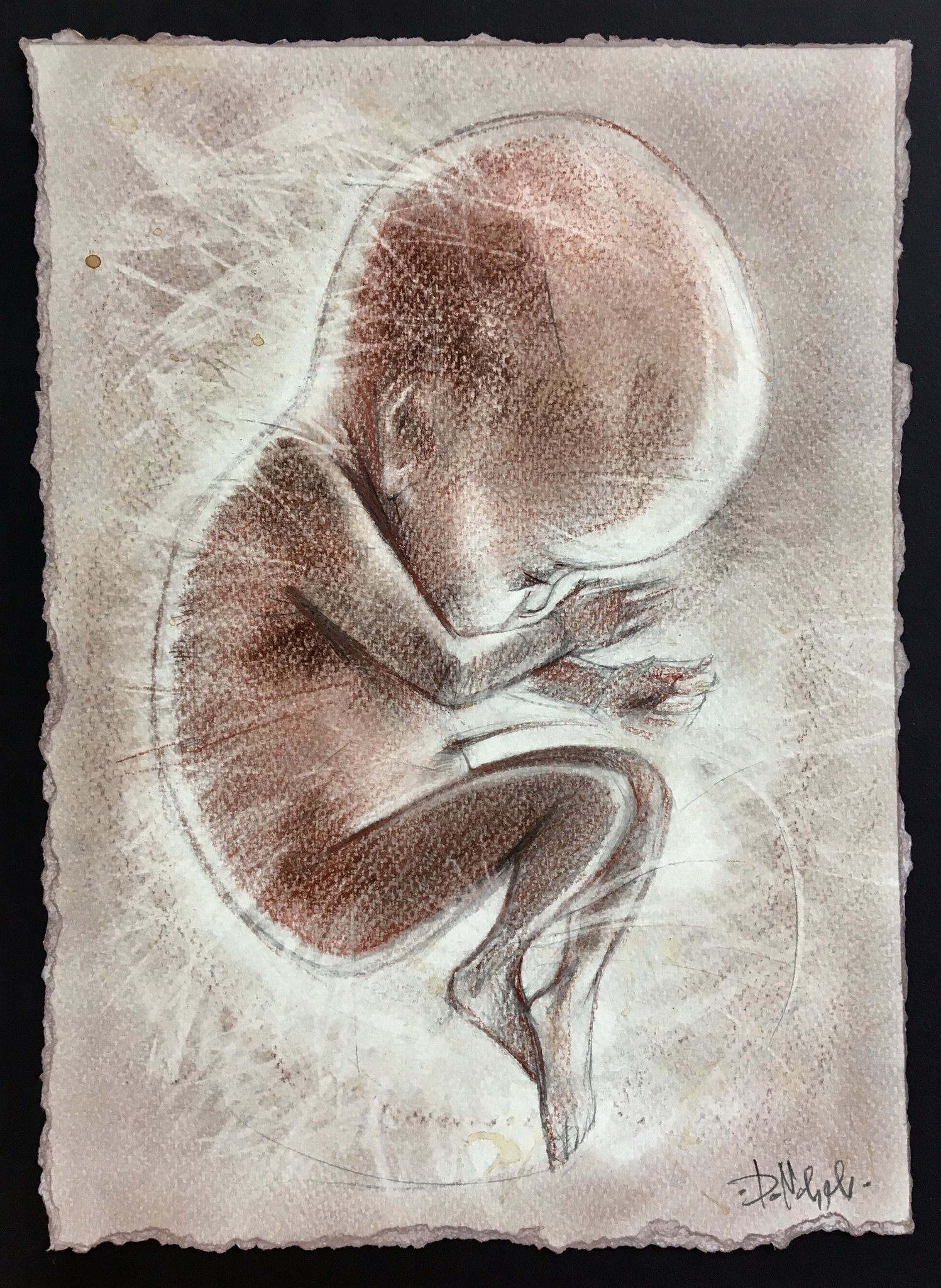
Our doom, the one we are inevitably getting closer to. The doom we are so recklessly calling for. Can it be slowed down? Could we change anything? We are overwhelmed by desires weighing on us. With our last breath we want more. Curled at the bottom, we are painfully waiting for our final hour. Can we carry our sins to be reborn again?
The project is divided into two main parts — The Last Supper and Reborn.
The Last Supper
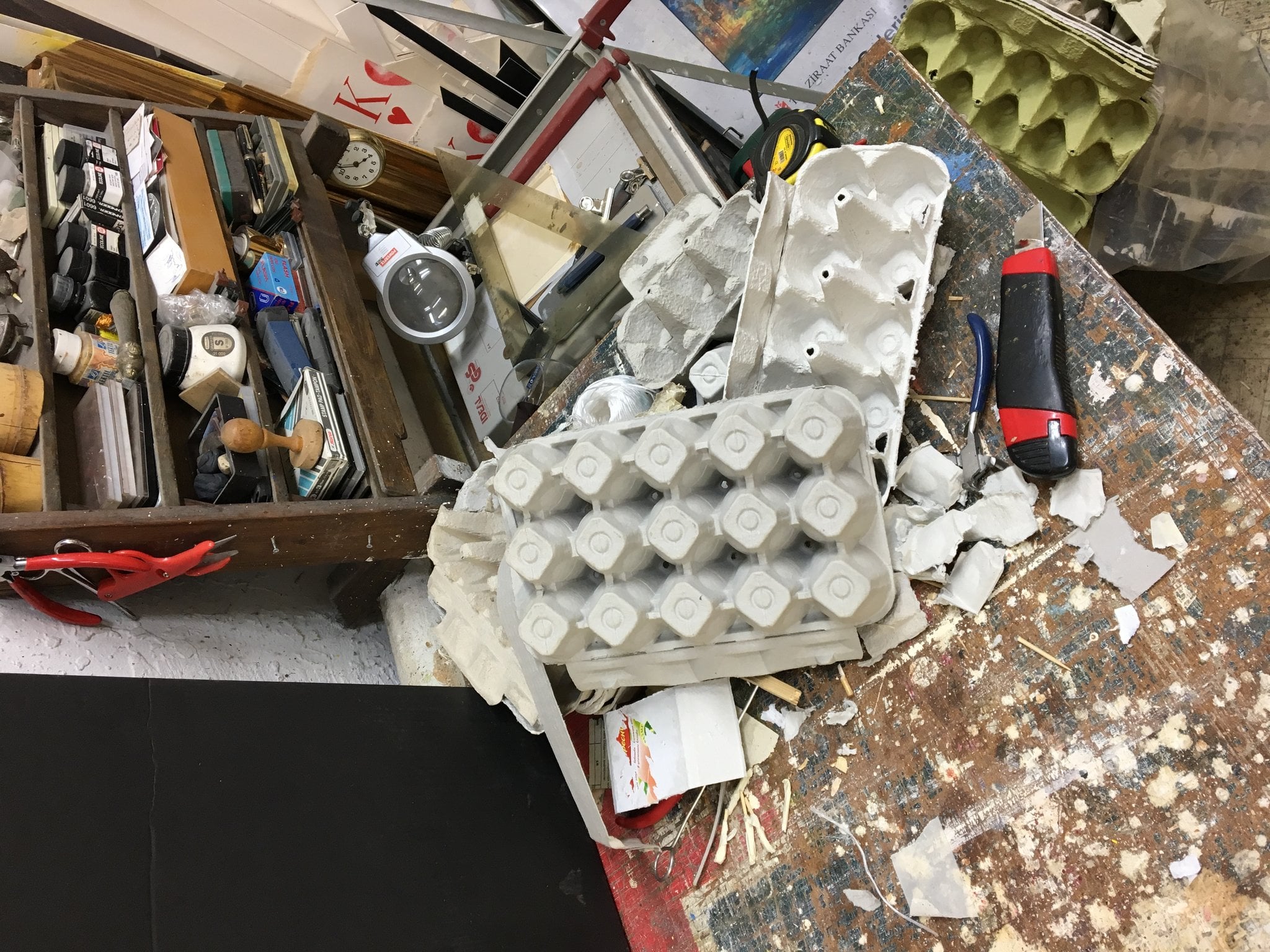
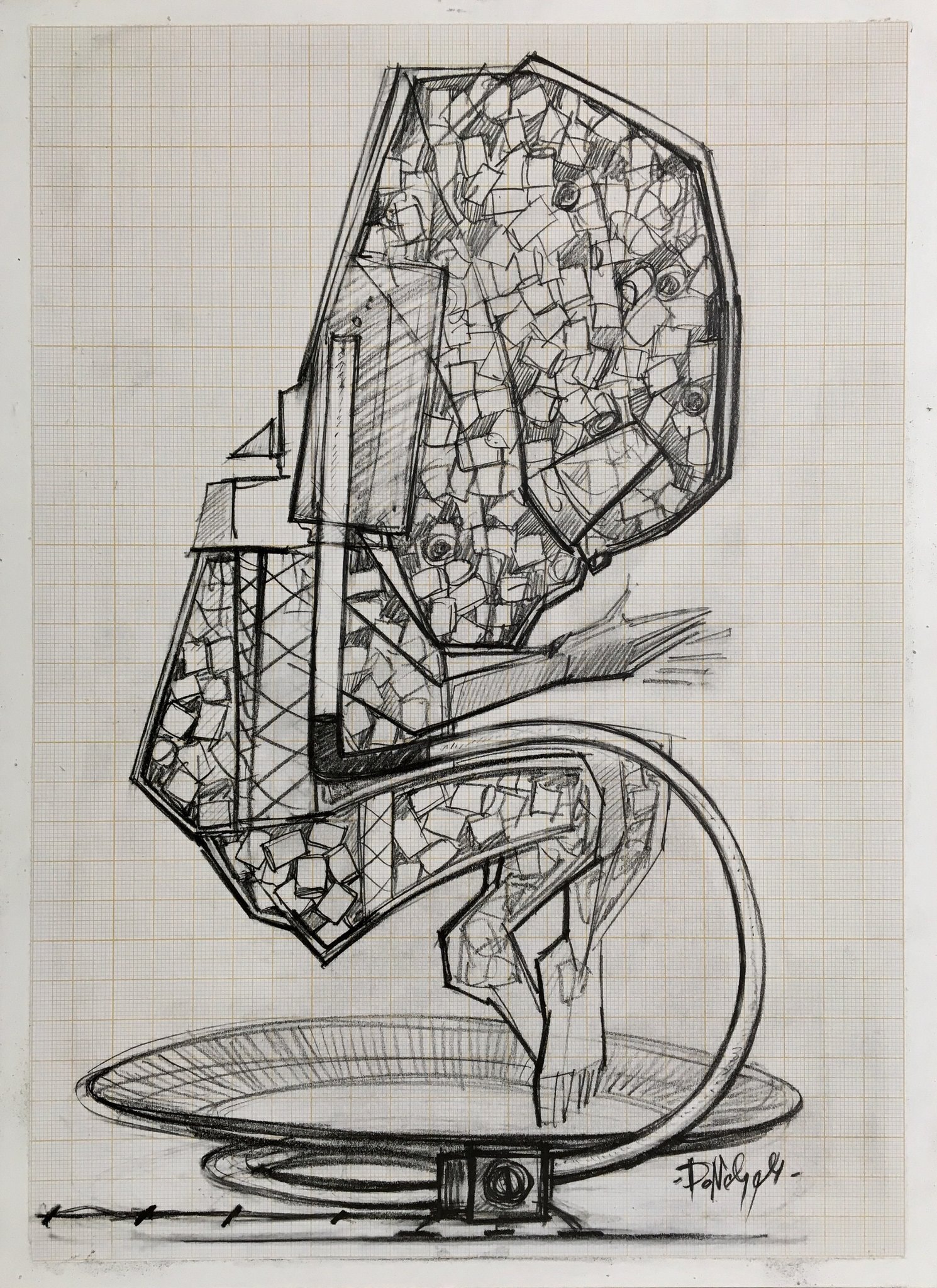
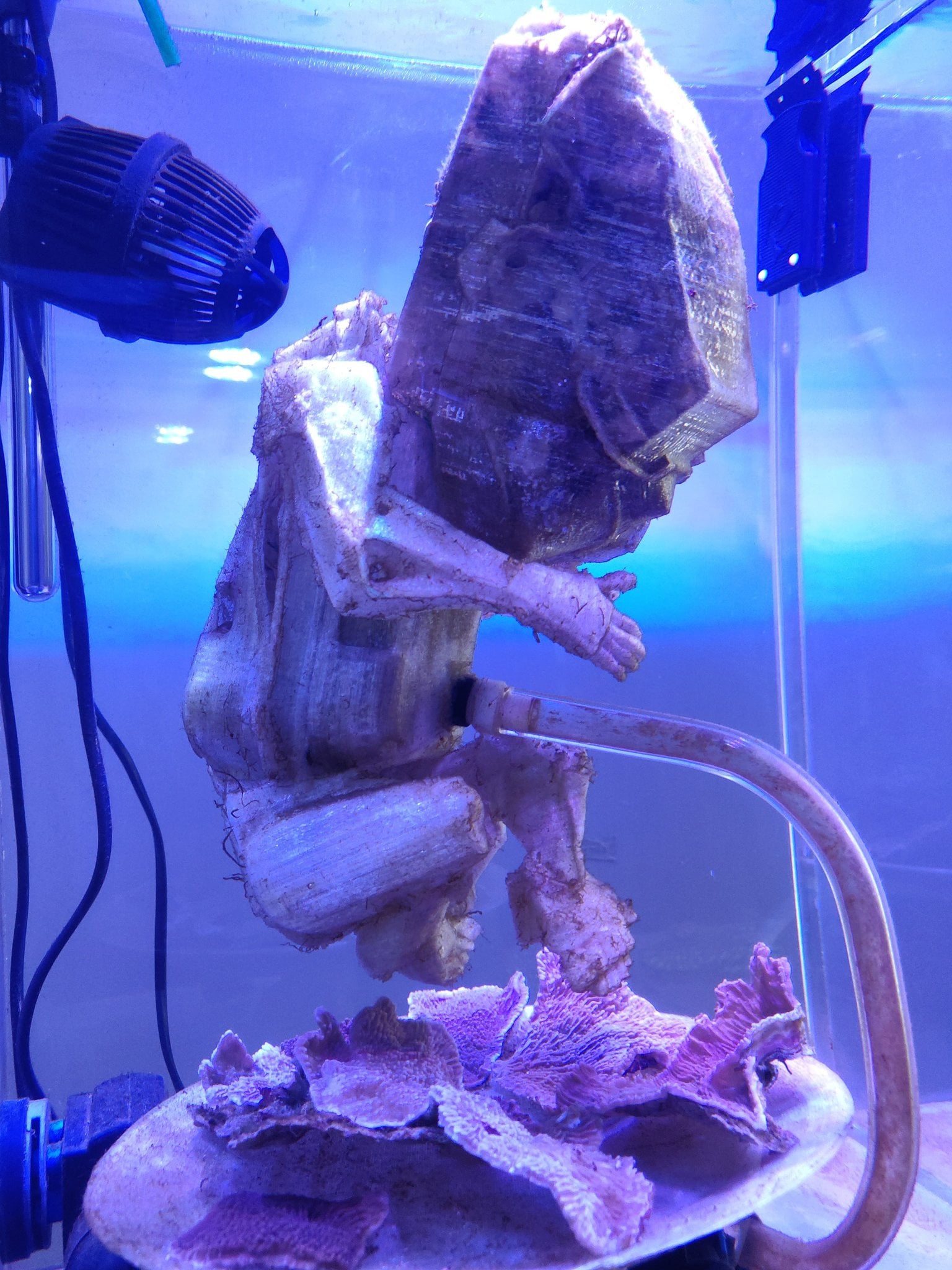
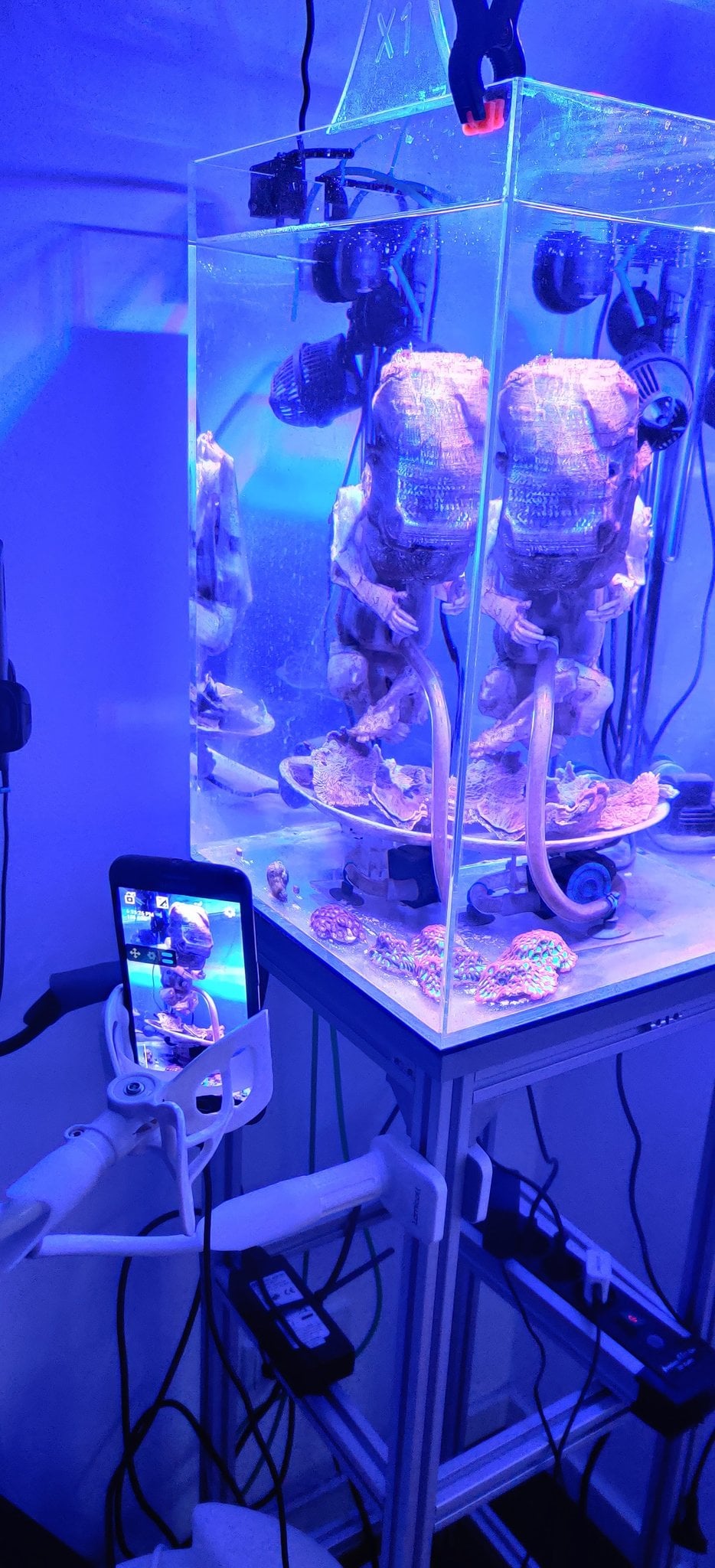
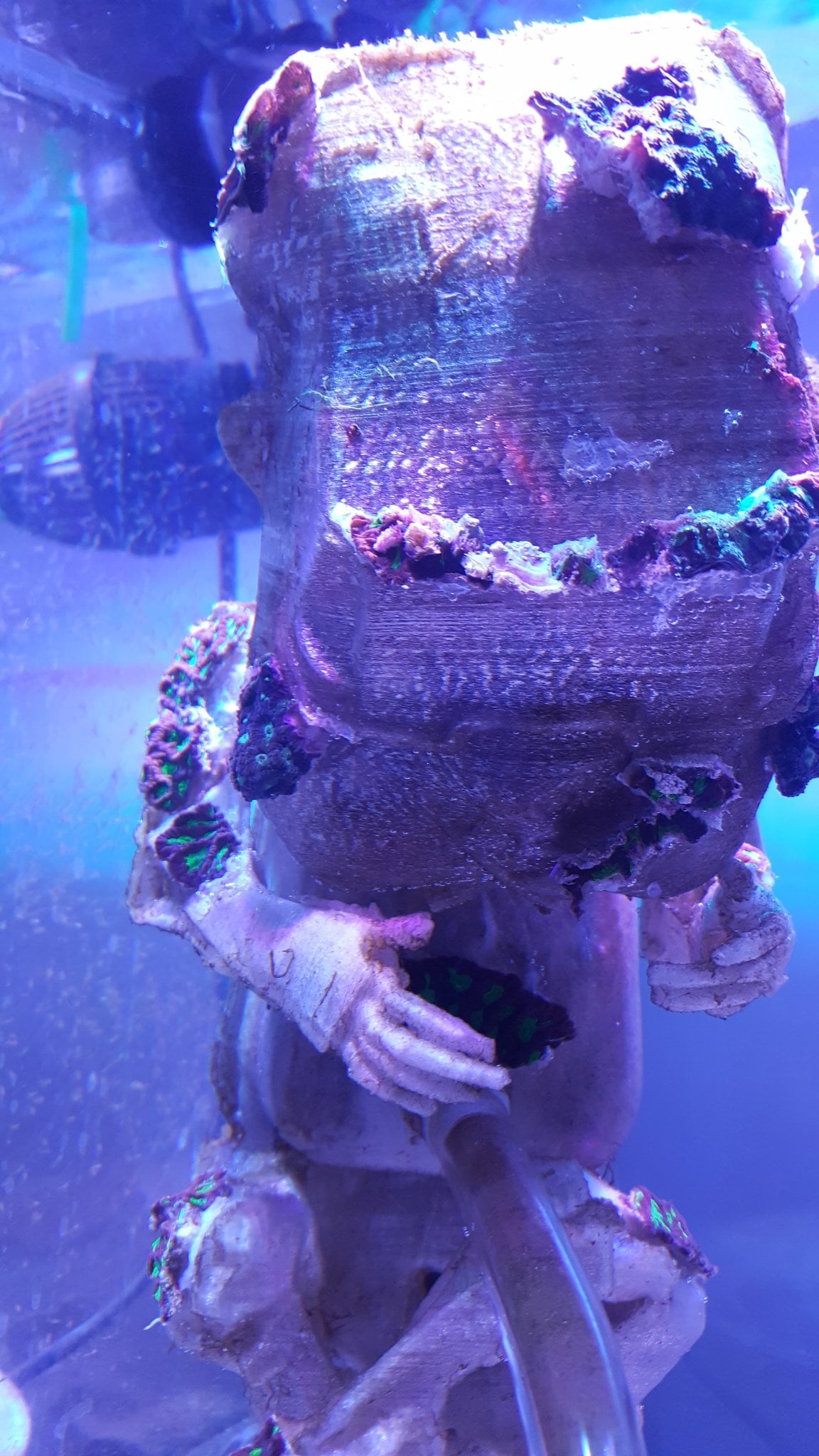
The first part covers the theme of humanity's self-eating. The installation is comprised of a human embryo on a plate held up by its umbilical cord. The original model is made of papier mâché — egg cartons. These are the useless waste used to make something creative and a new life. A copy of the model in plastic is placed in an aquarium filled with sea water with living corals planted on the embryo surface. The corals' beauty and colours will gradually envelop the shape. The entire process is filmed with cameras from different angles.
Presentation
The Last Supper's presentation is accompanied by a massive audio-visual exhibition consisting of 40 large installations. There is a deliberate symbolism in that number. Each of the installations is made of unnecessary materials — egg cartons, paper, cardboard, disposed parts of different appliances, plastic, metal. The themes covered are derived from mythology and the Bible. These are the themes that have puzzled humanity since ancient times all the way to modern days — Creation, Sin, Forgiveness, Judgement Day. Part of the income from sold installations shall be donated to charity — for afforestation.
On this page we would like to share our progress over the last 2 years working on this project and the steps we went through so far.
1. The Egg Crate Model
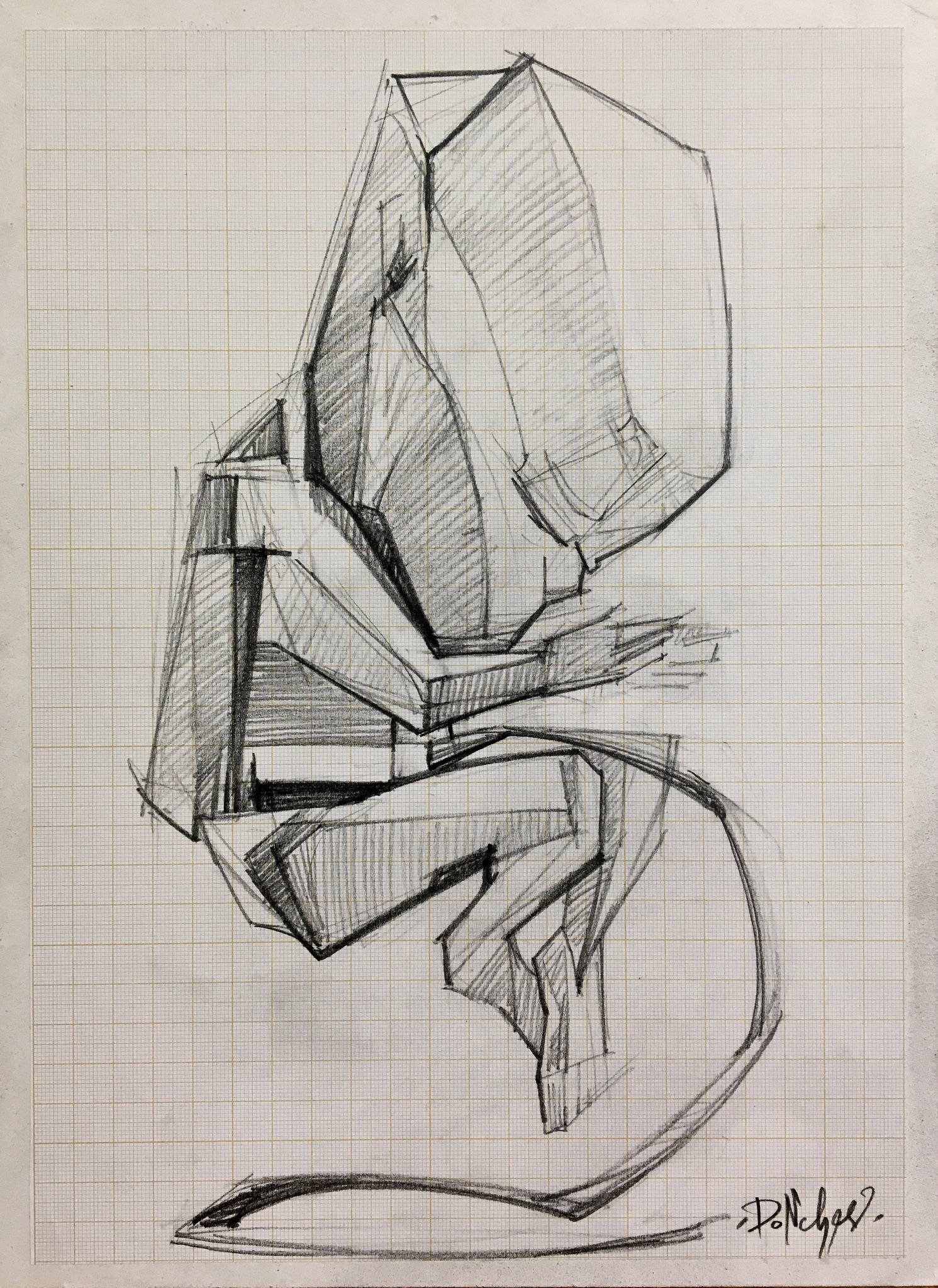
The Egg Crate — once protector of the creation, now waste byproduct of consumption. Here the cycle starts again to be reborn multiple times in different synthetic and organic materials... A long journey to close the cycle is about to begin.
2. Replicating the Model in One-Way Bottle Plastic
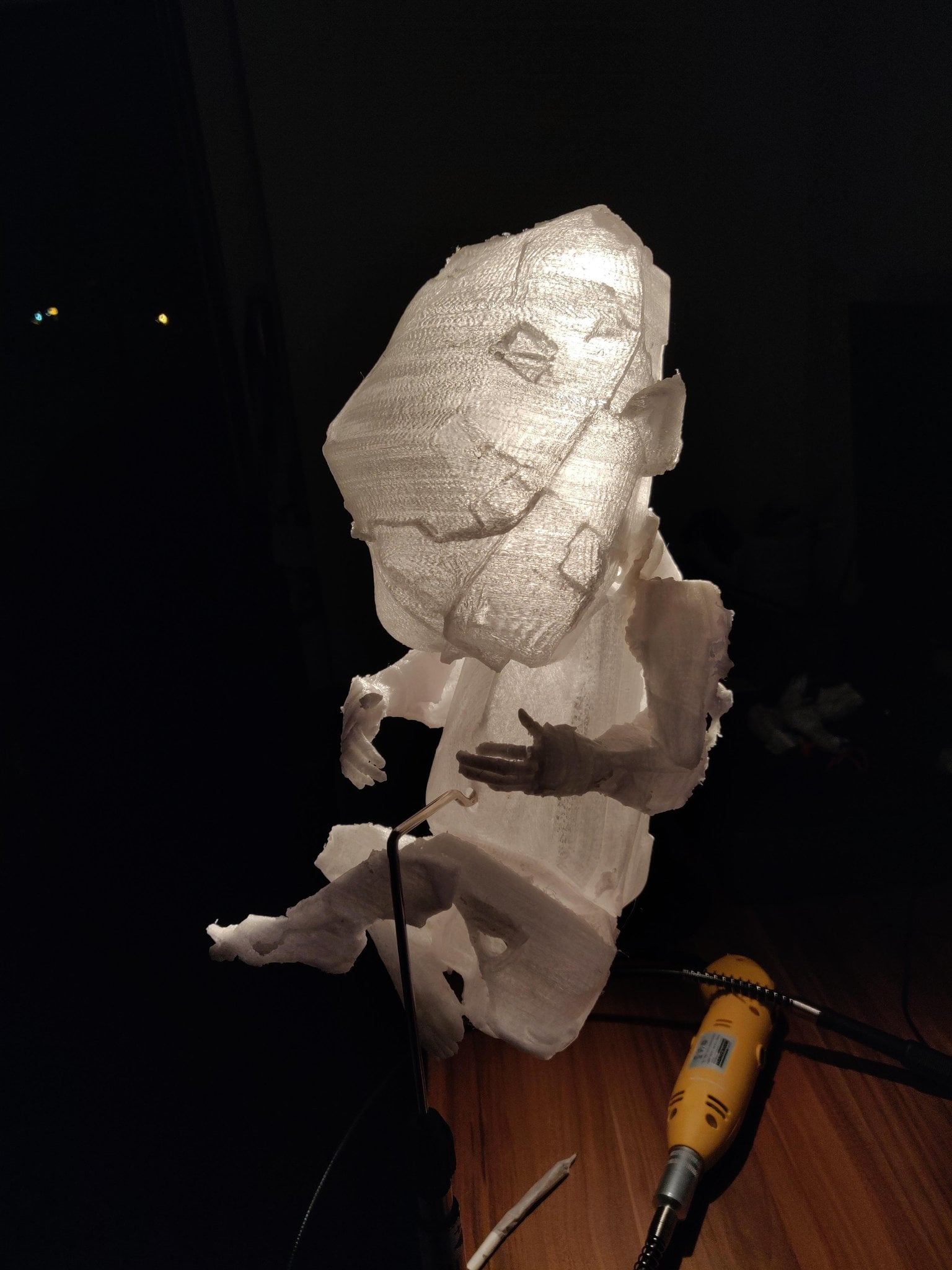
The paper model was 3D scanned. We acquired our first 3D printer and started experimenting with different types of materials. The main challenge was to find a printable material which won't degrade or start leaking non-reef-safe chemicals over time. After going through countless iterations, we decided to use PETG, which is also based on PET — the food-safe grade material widely used in one-way plastic bottles.
3D printing the head - PETG timelapse
3. The Living Model
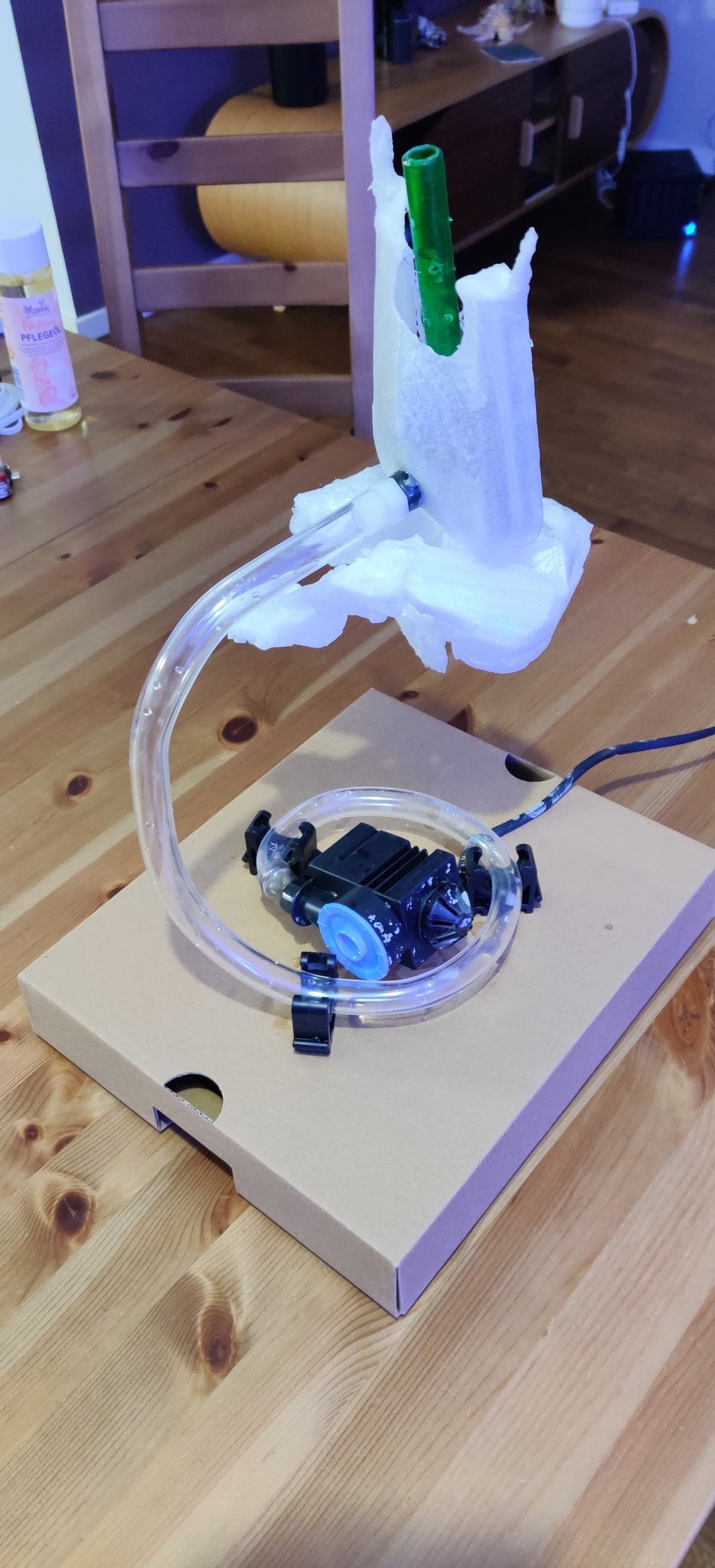
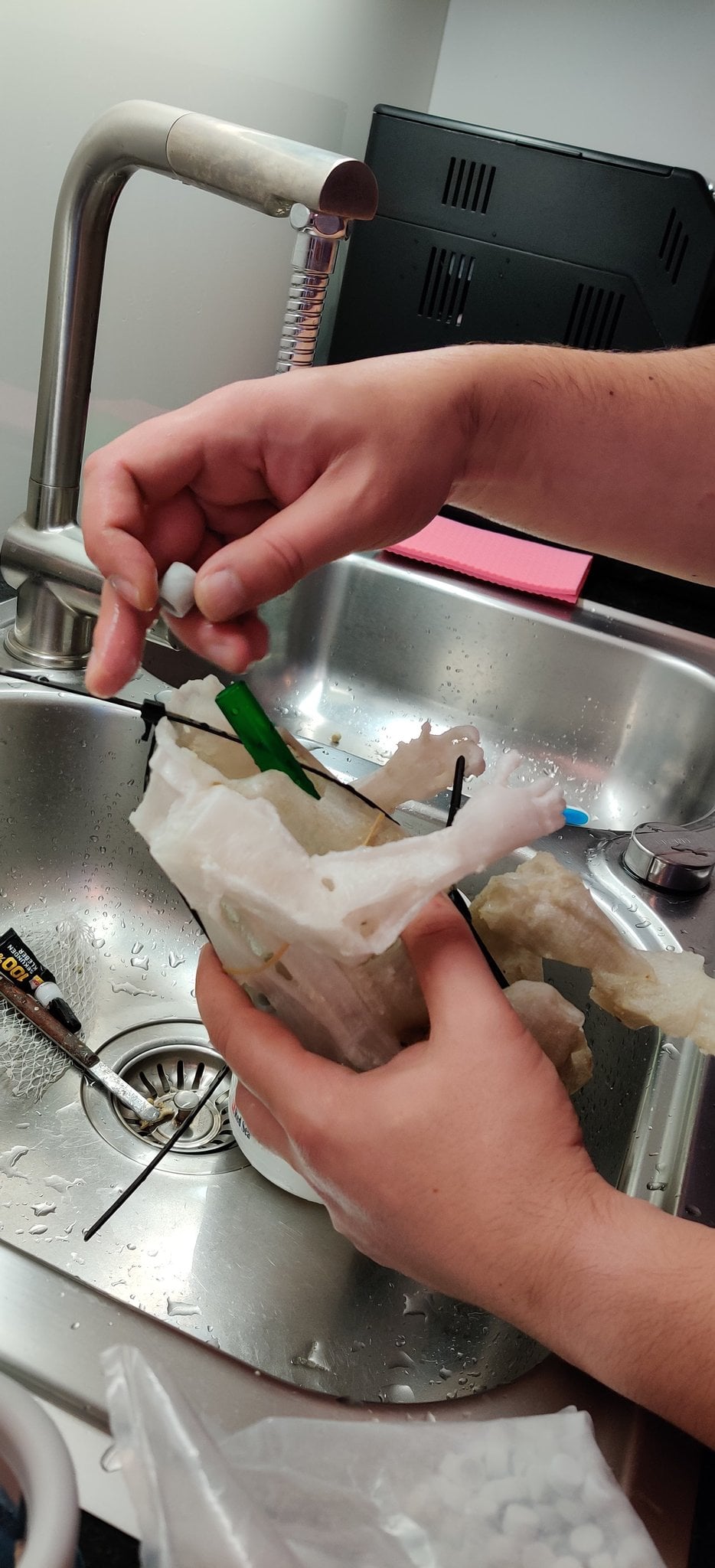
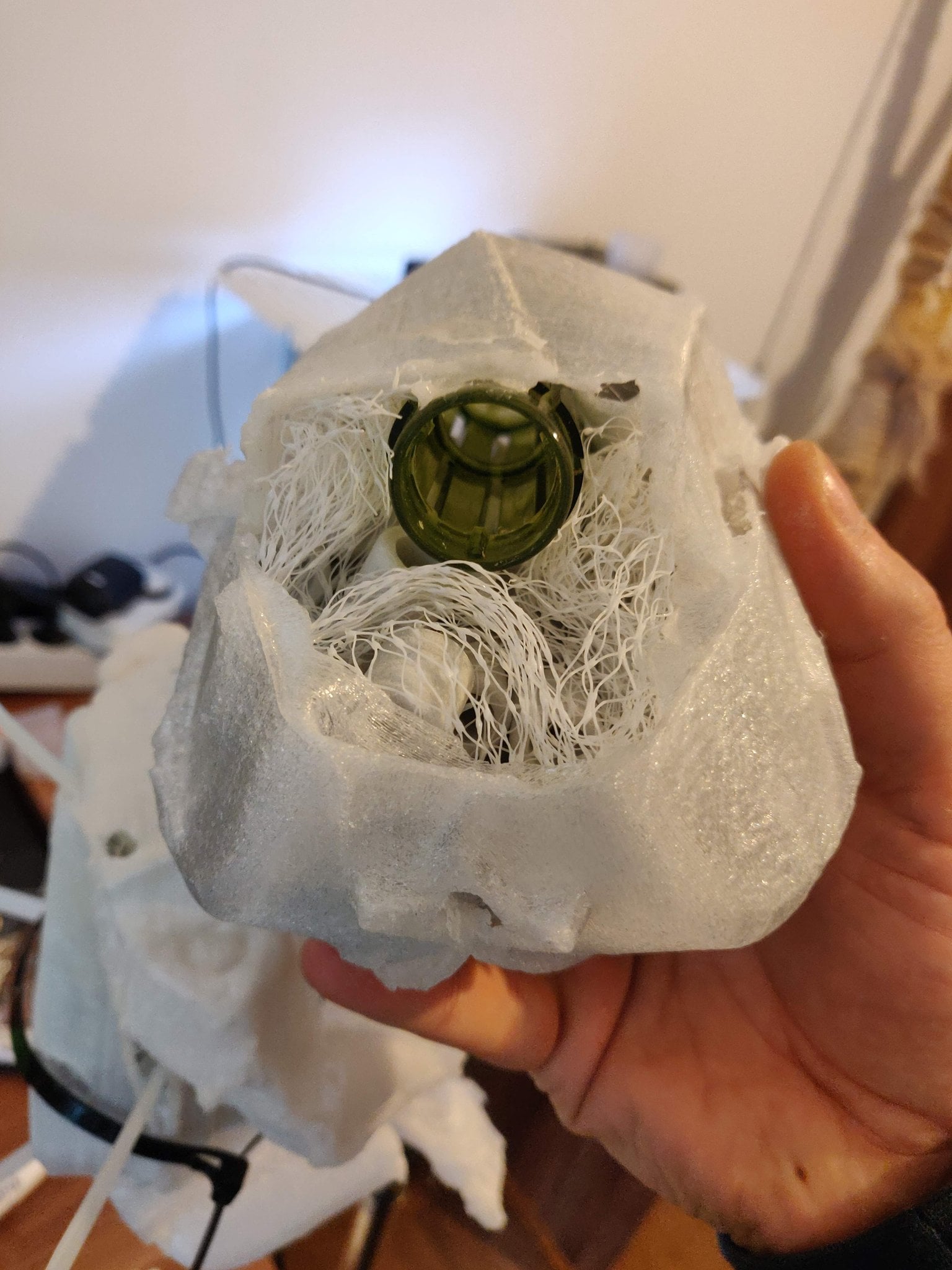
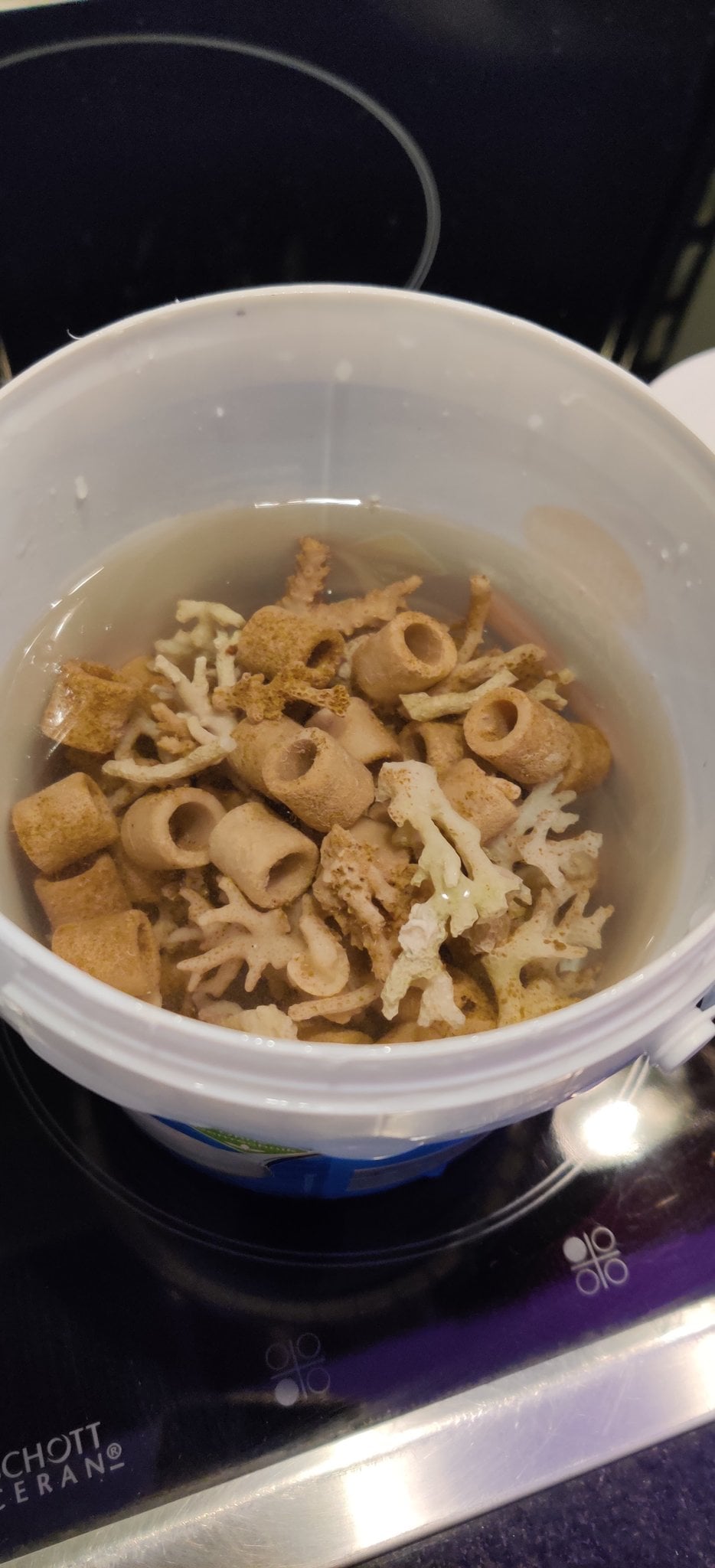
The model is also functional — designed to be an active bio-filter as well. A pump forces water from the bottom through special ceramic media made to promote beneficial bacteria growth inside. The model becomes the center of the biological reef ecosystem, providing a safe environment to billions of microorganisms which will be responsible for keeping the reef ecosystem going. To kick off the biological cycle we added media and dead corals from an already running reef system. A custom stand and tank were also designed and built.
4. Planting the Corals
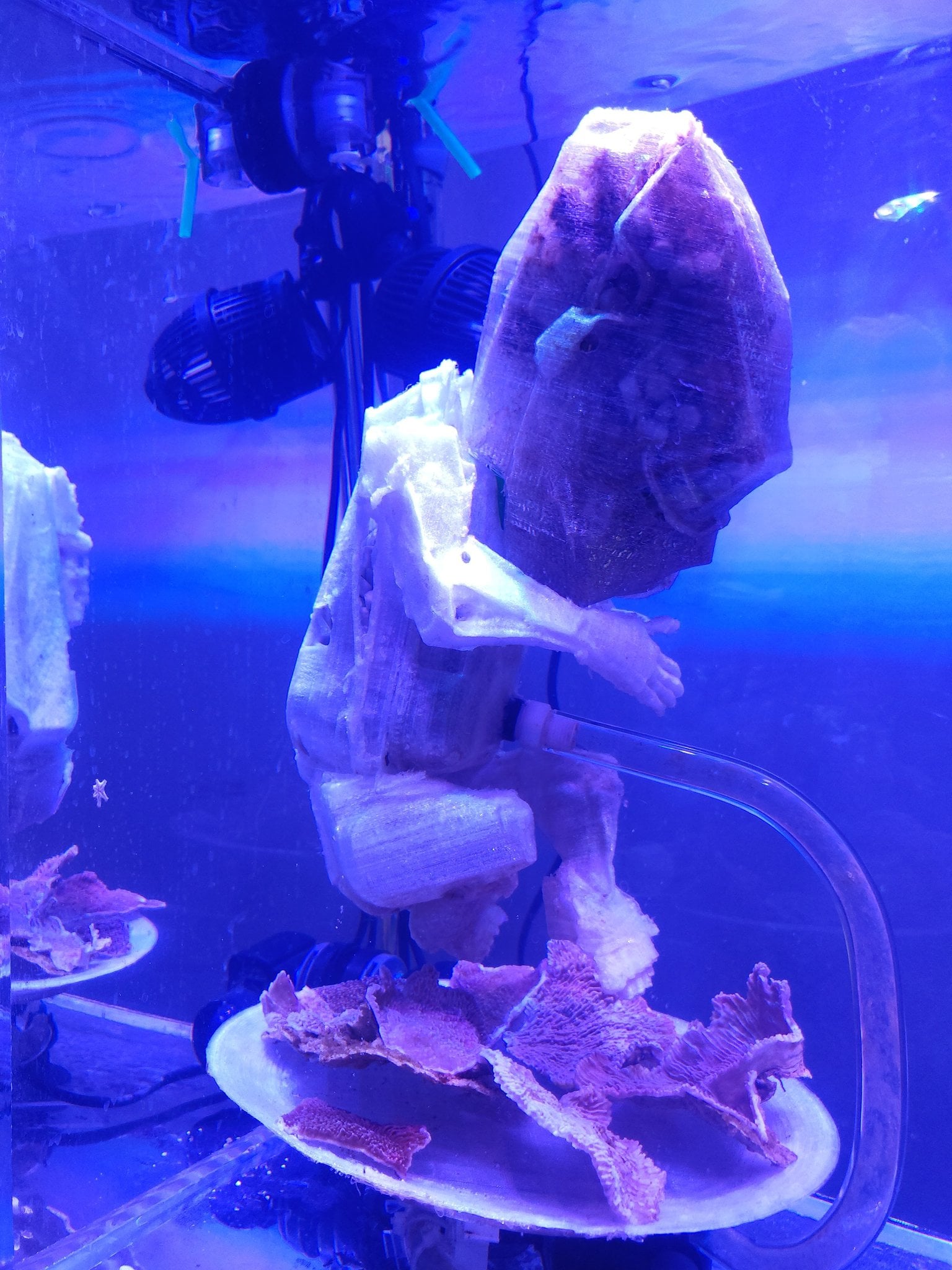
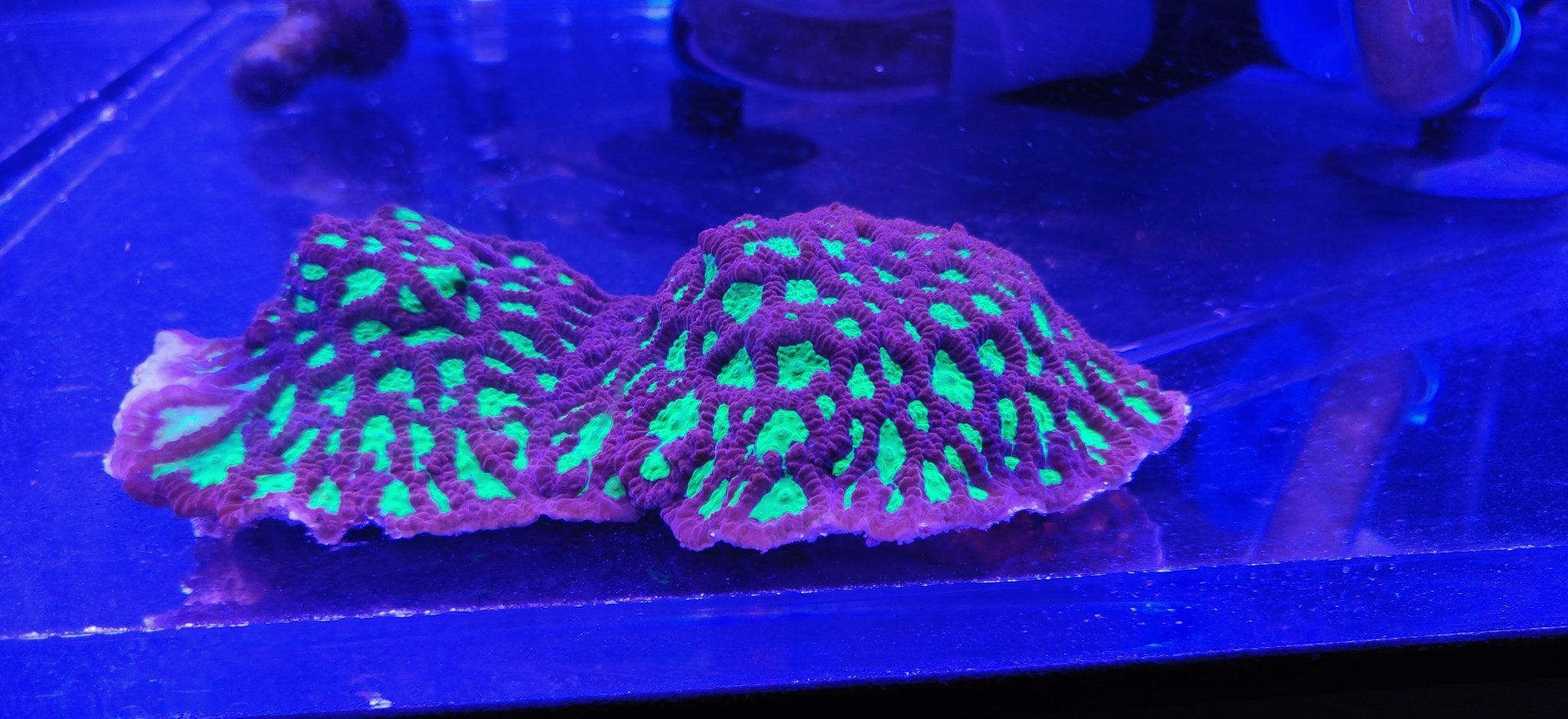
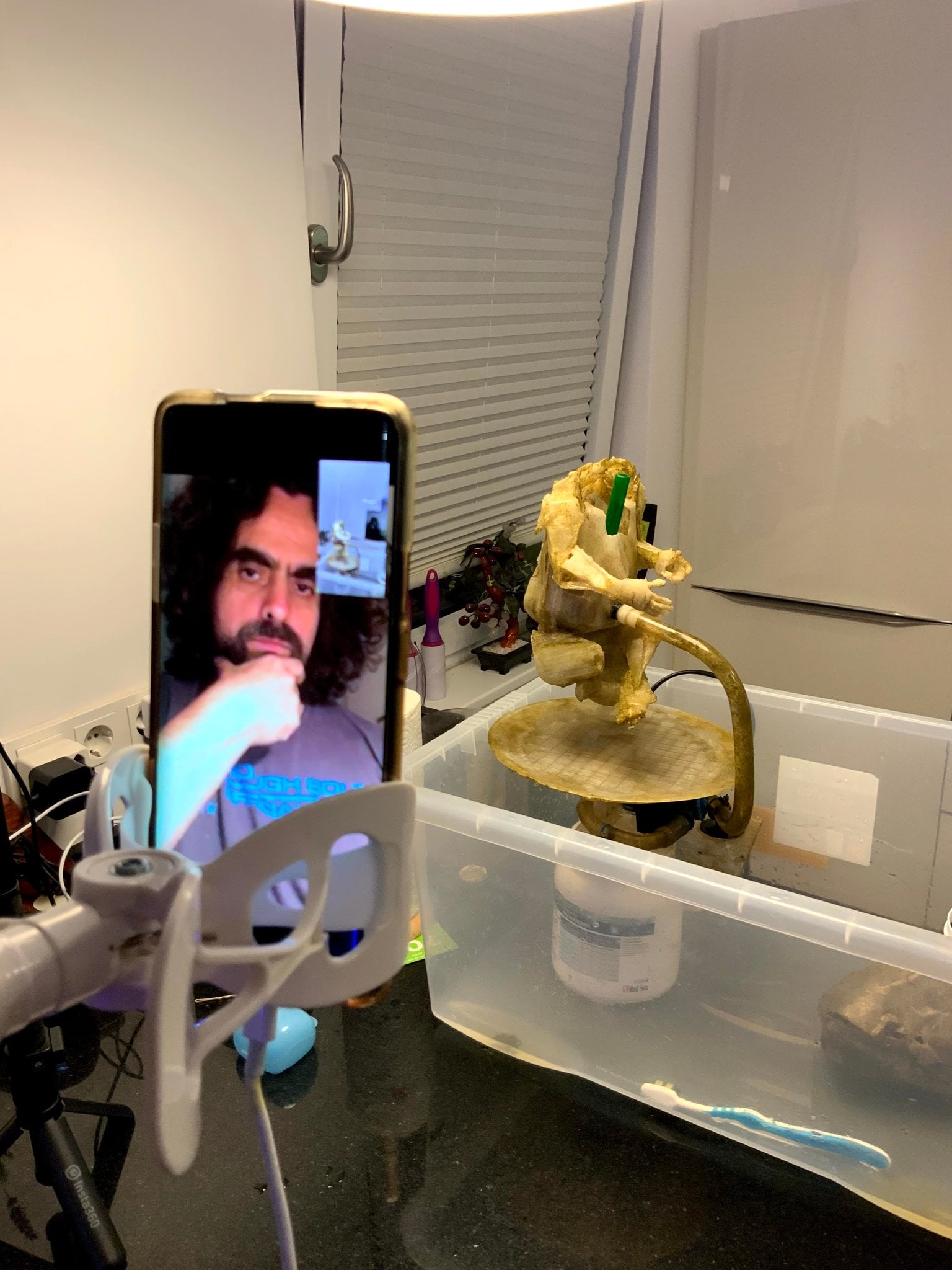
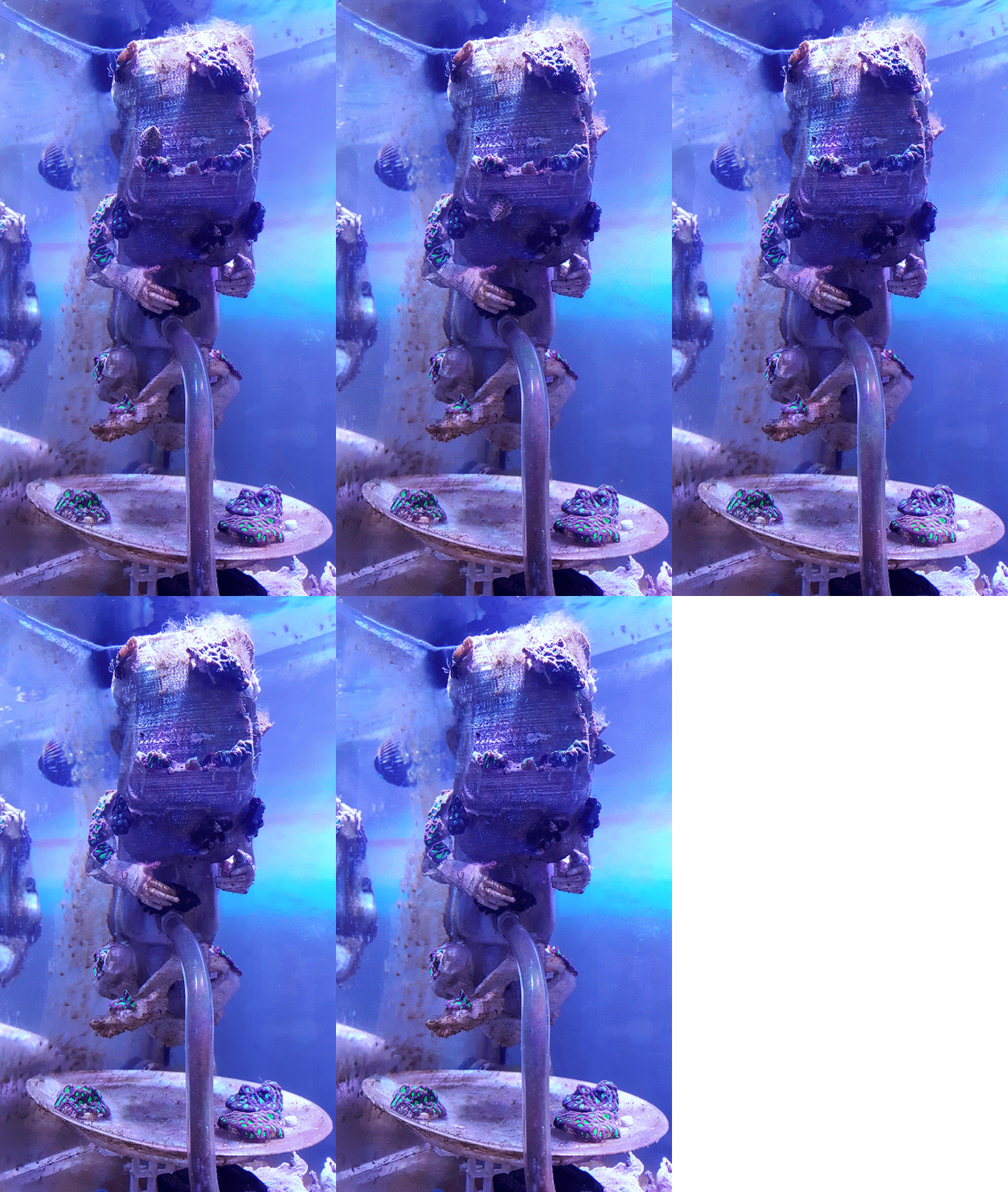
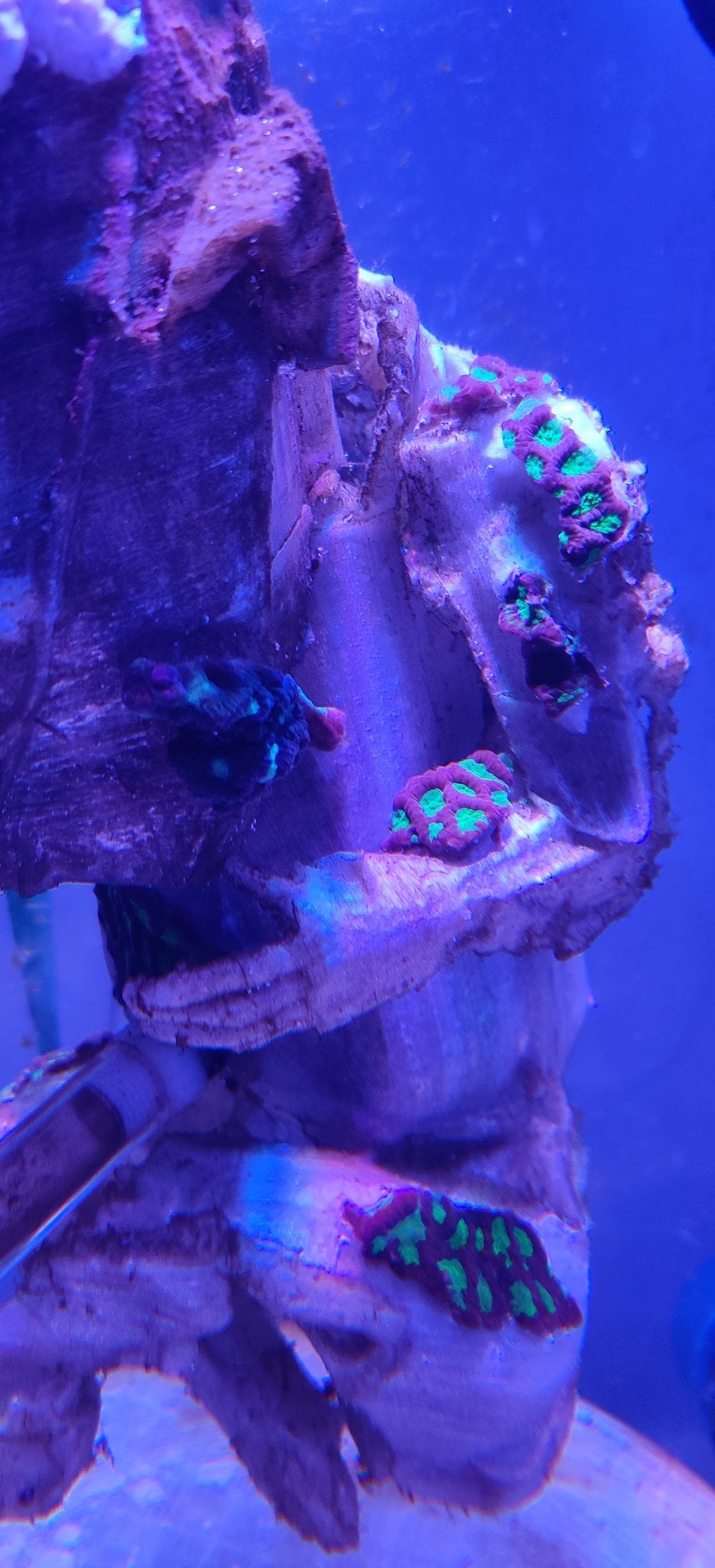
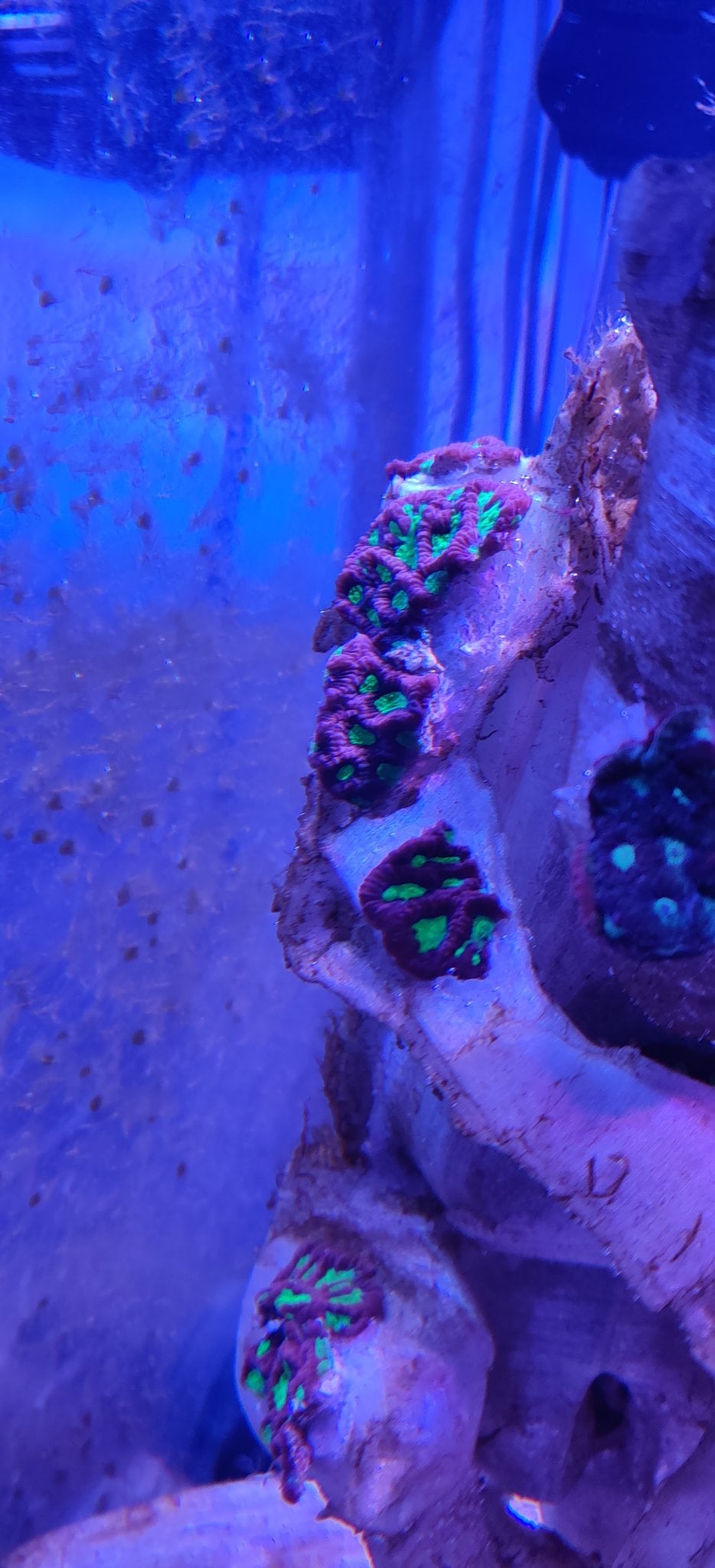
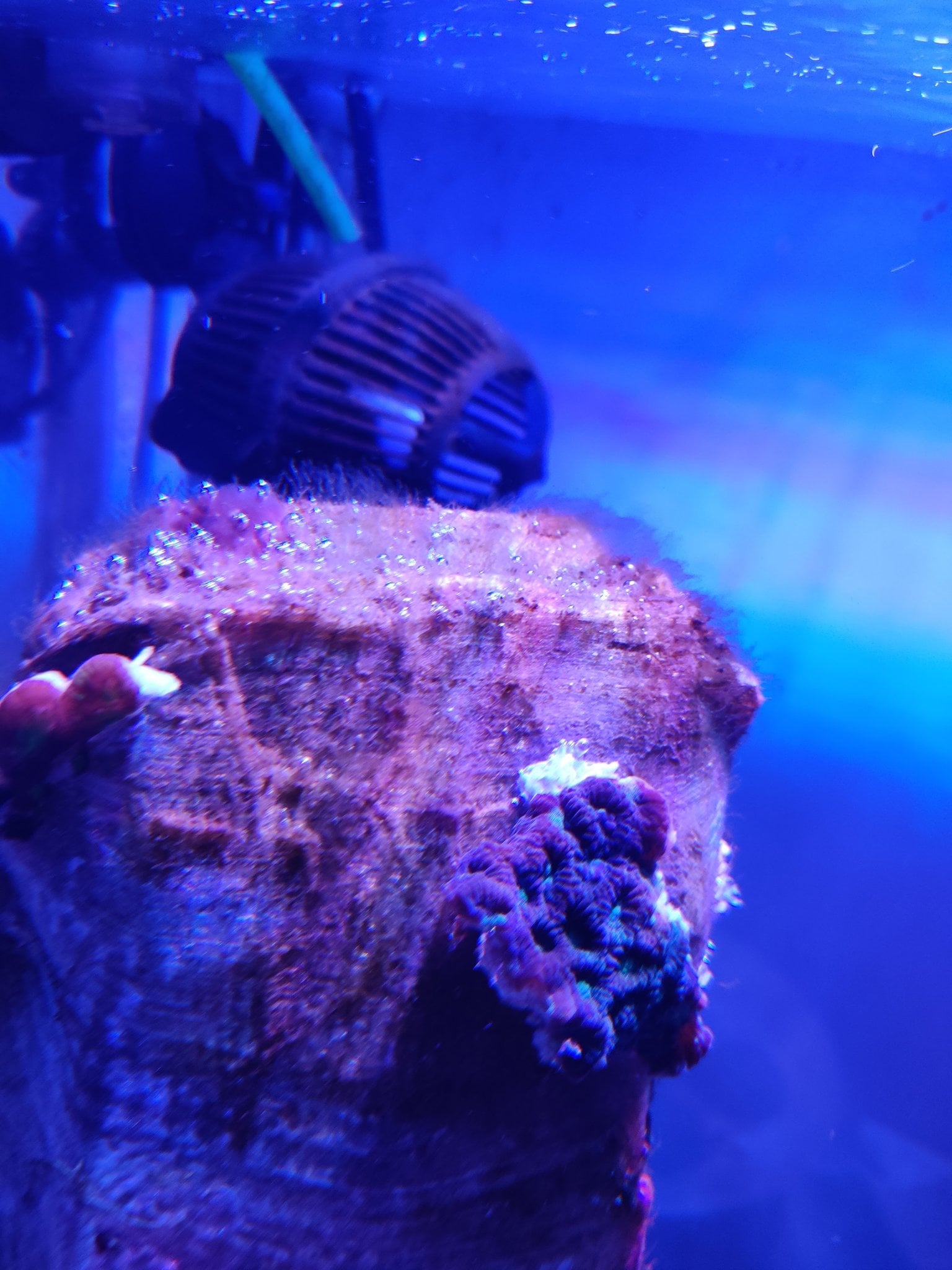
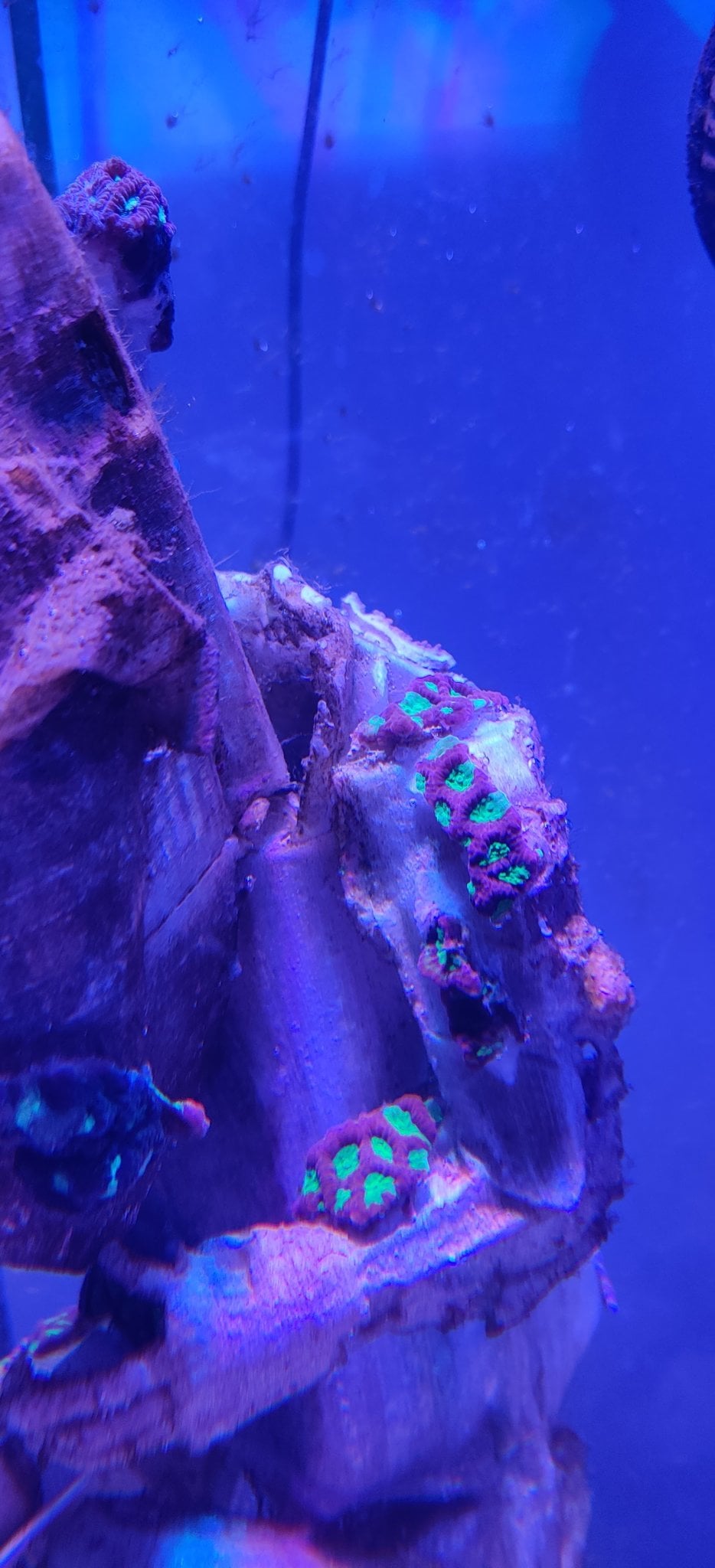
The system was running for 6 months and slowly we started adding the first corals we were planning to plant later. Different reef invertebrates were also added to clean the newly grown algae. After almost 9 months of environment preparation we could finally plant the first corals on the model. Since COVID-19 was at its peak, we had to do this remotely.
5. Reborn on Scale
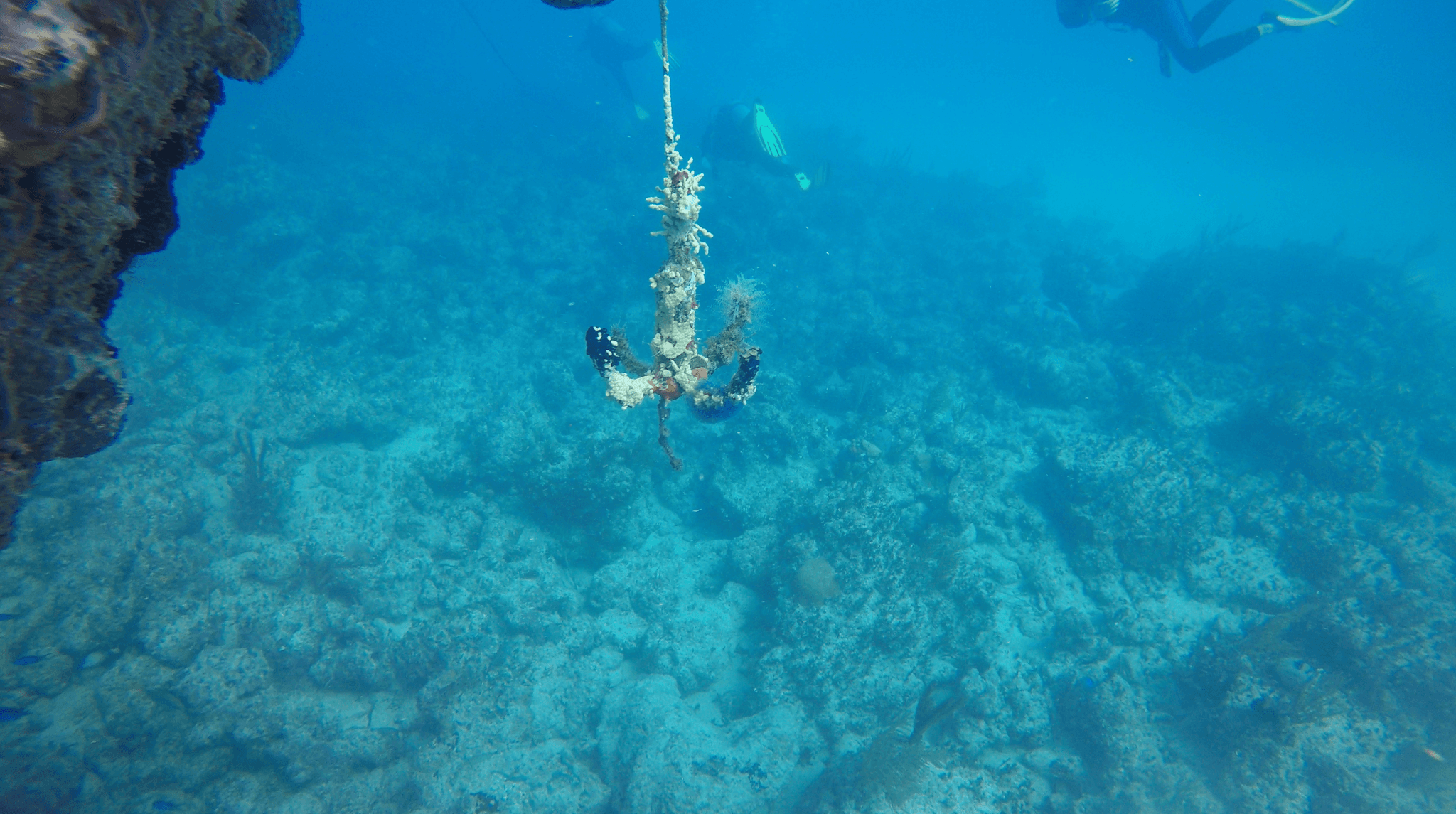
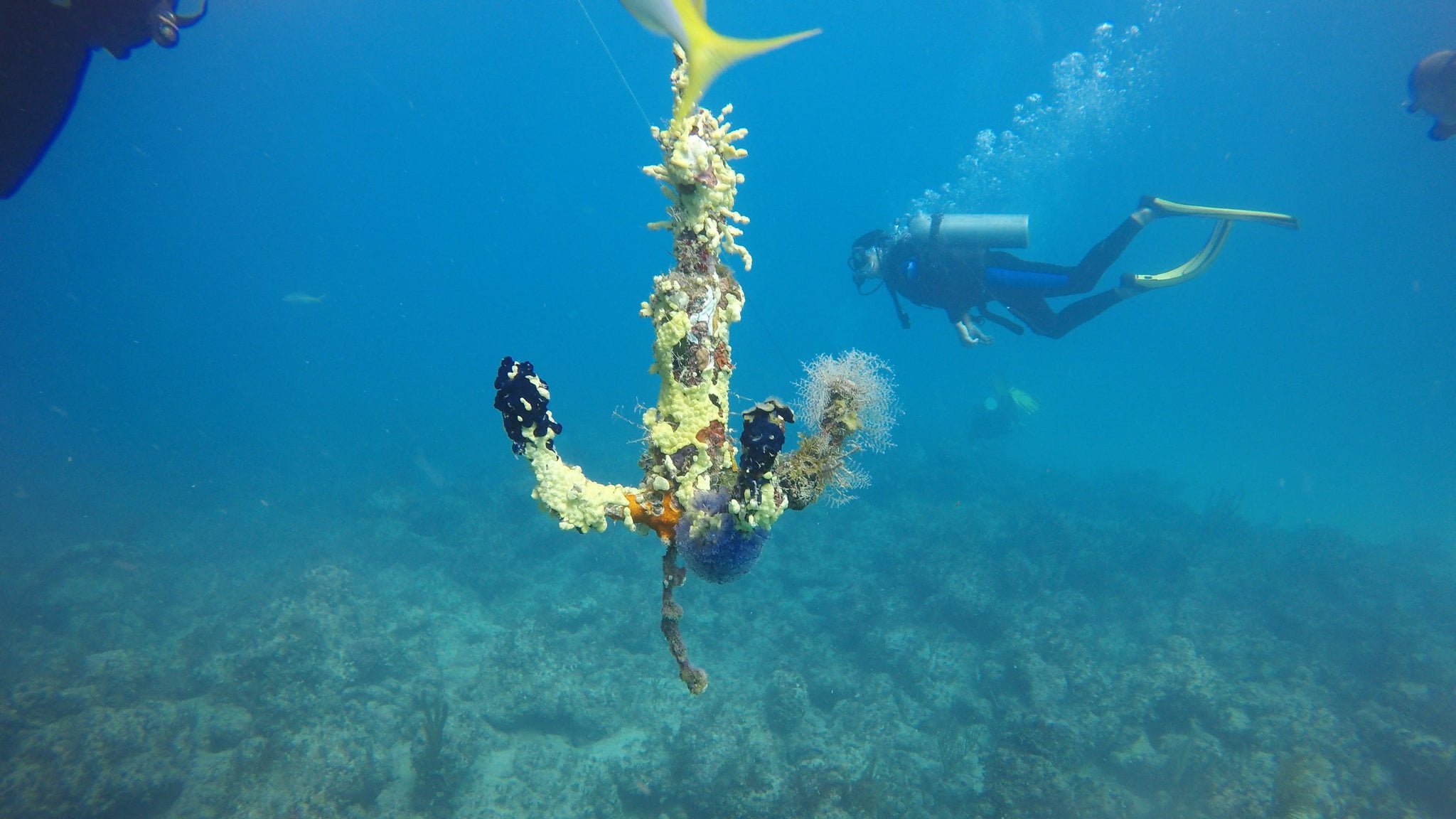
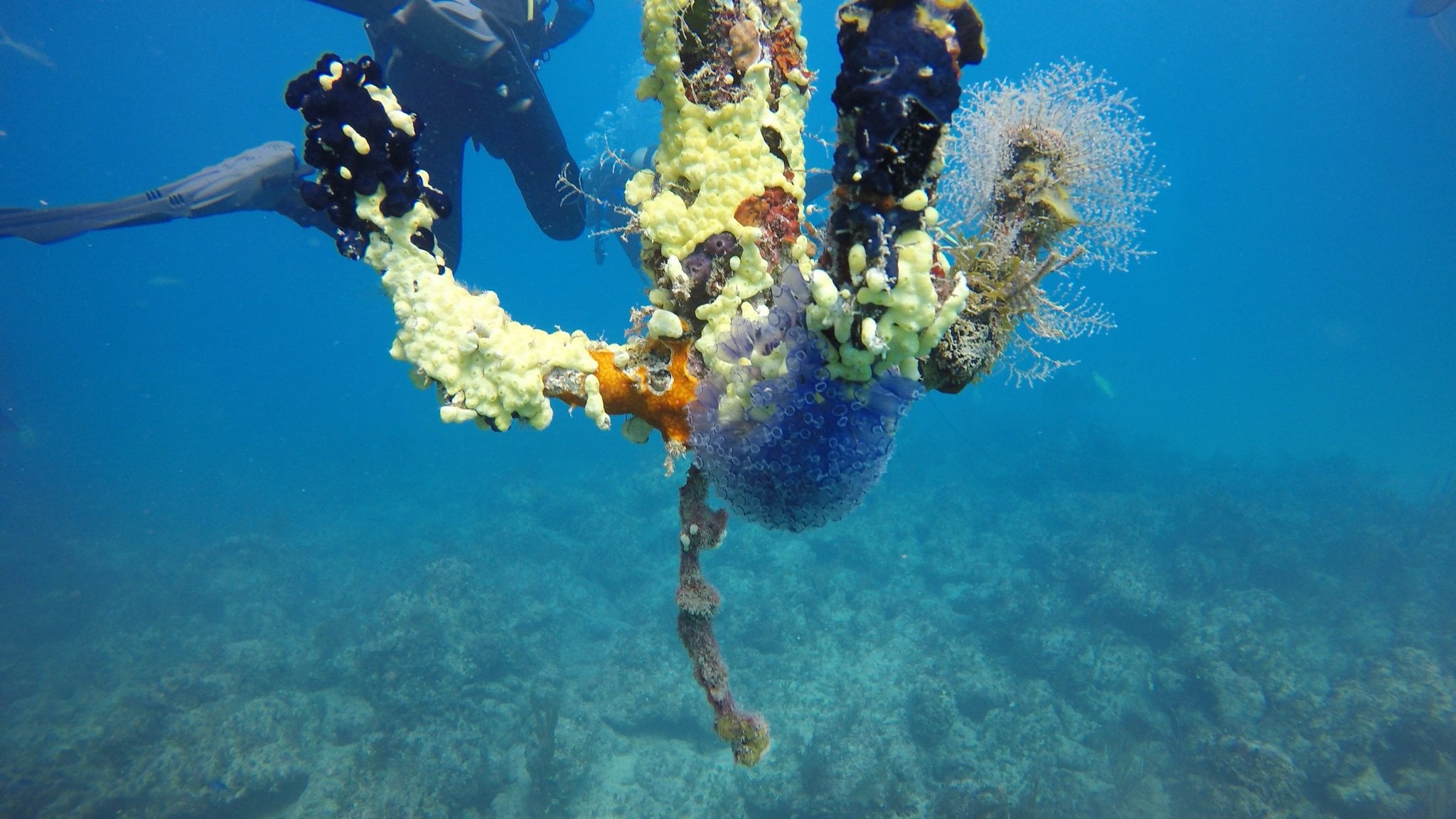
Inspired by the ability of nature to take over submerged structures, we plan to build the model at scale — 3 meters high — and install it in the ocean. We will again plant living corals all over the massive metal structure and let them grow. We are sure that this will attract divers from all around the world to observe this art-nature symbiosis project.
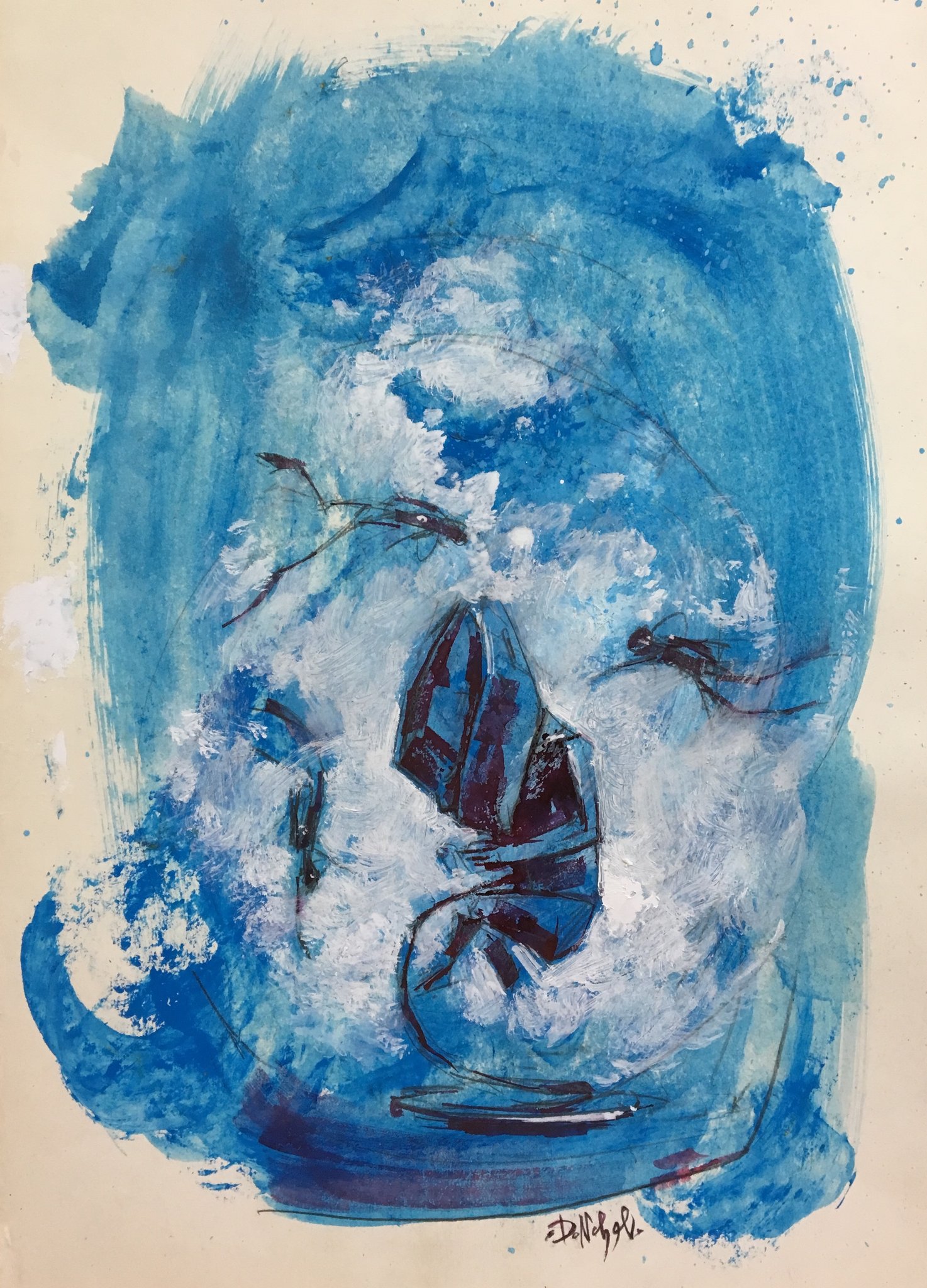
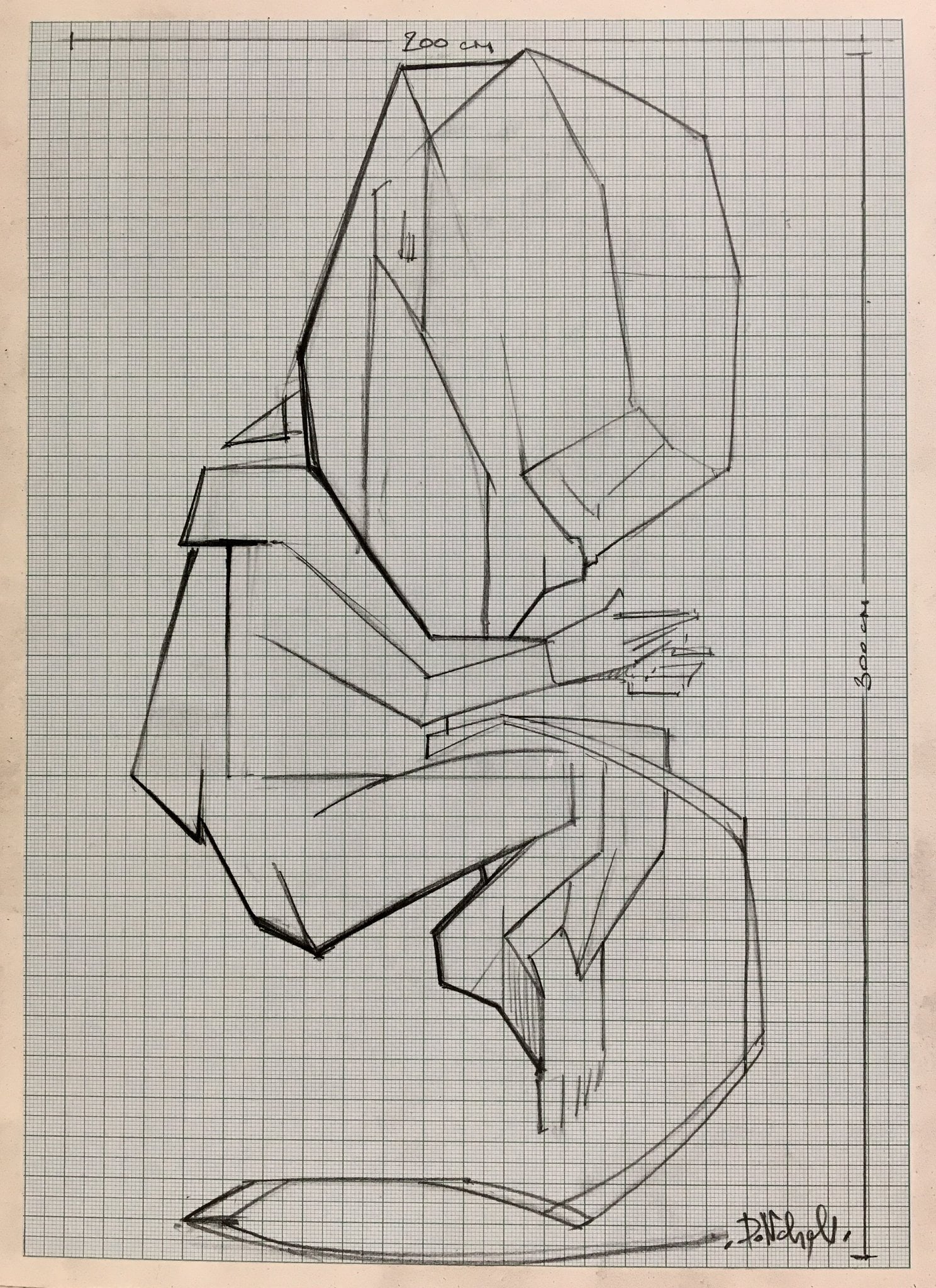
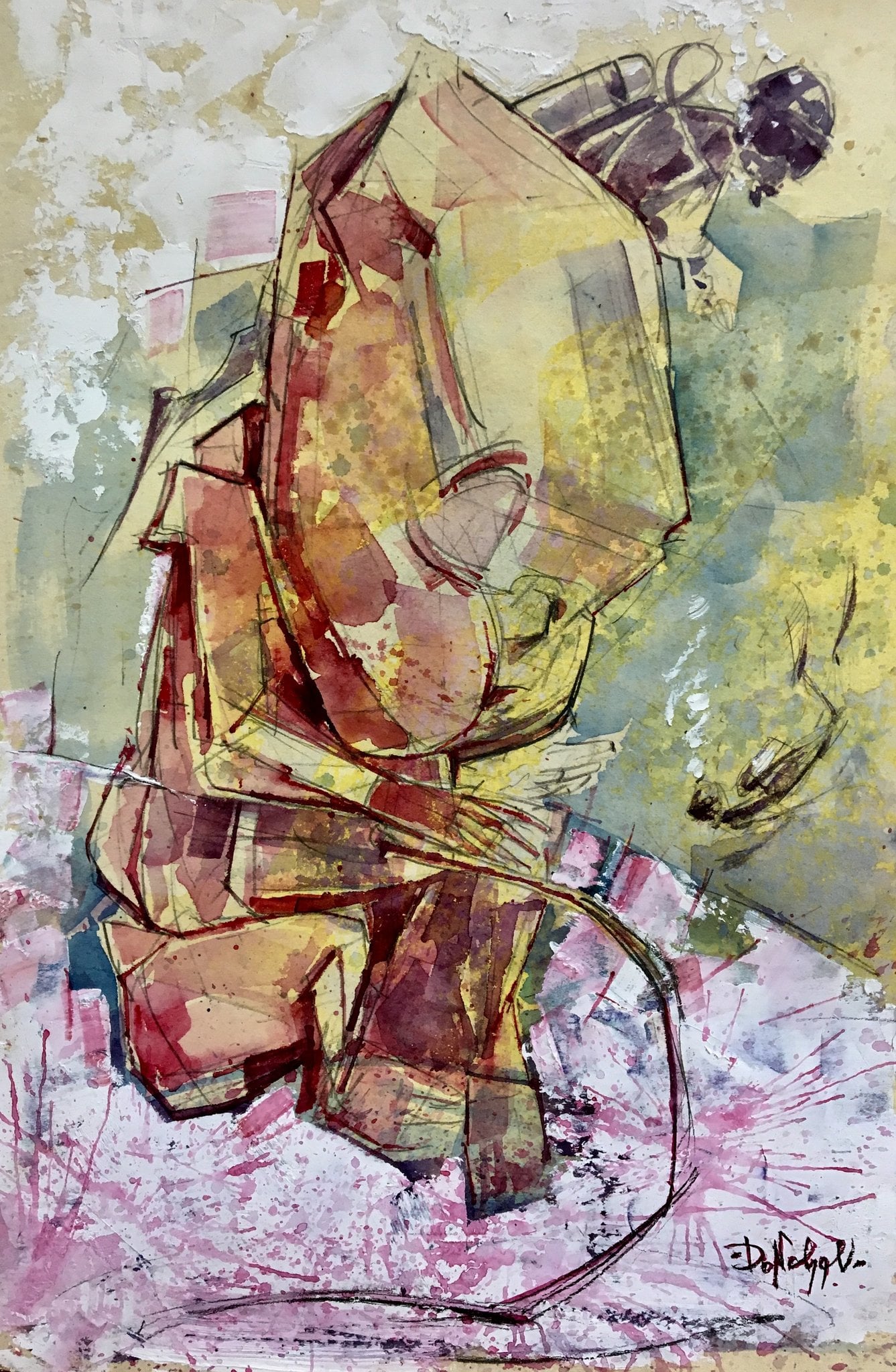
0. The Inspiration
The initial concepts and natural phenomena that inspired this multi-year environmental art project.